
Welcome To The Blog
Here you will find tips for training your Whippet as well as musings from my work as a trainer & behaviourist.
This includes training tips, multi dog household insights, reactivity, recall and focus!
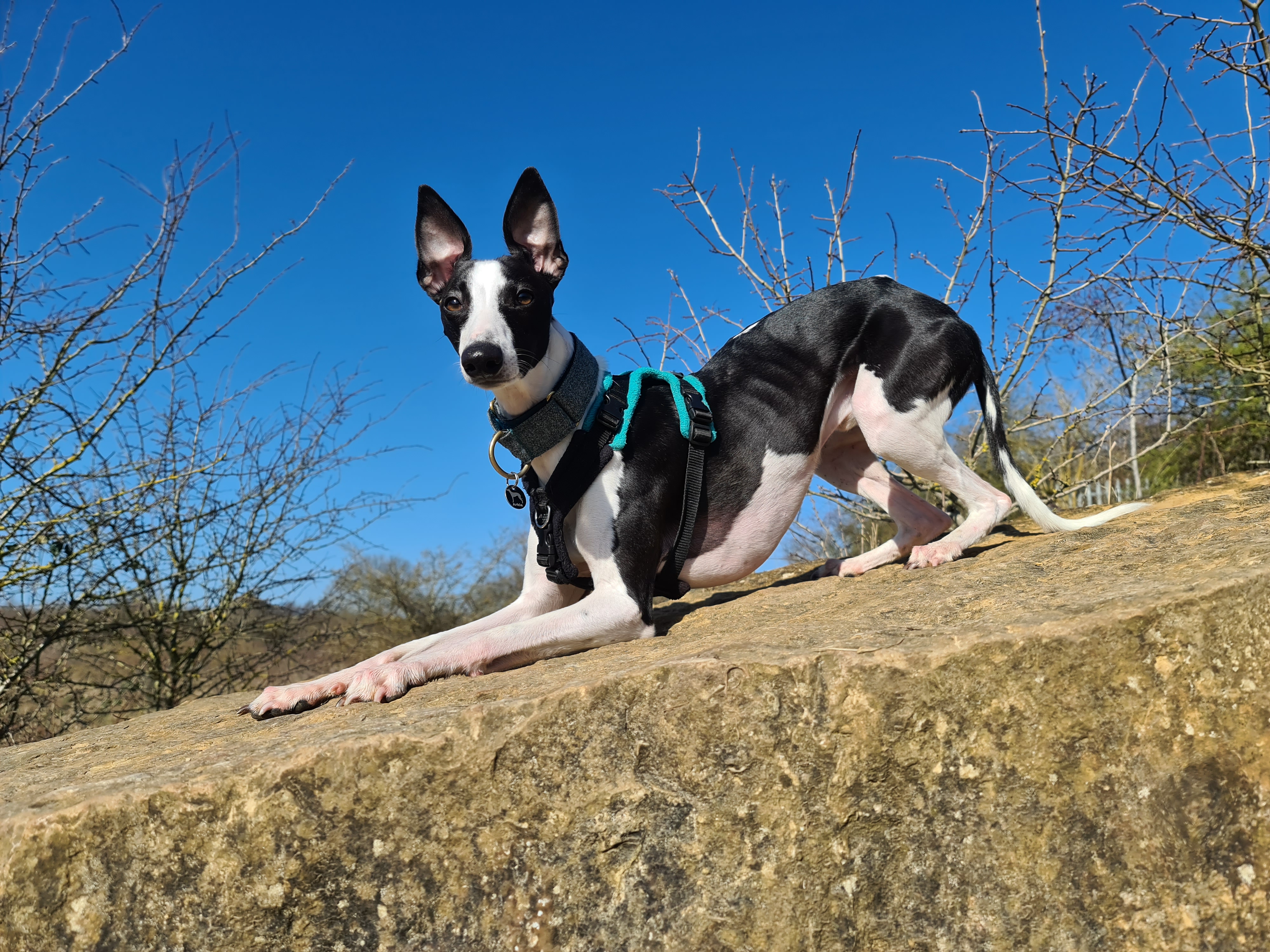
I will also update this blog with updates on Arkle with his behaviour and health for those who have followed his journey!
Is Pain Causing Your Dogs Problems?
Could Pain Be The Problem With Your Dogs Behaviour?
When owners have a zoom session with me they will often feel like they are being asked a million and one questions. In addition to a behaviour form! As they answer questions I will often take notes of certain things they mention. Very often what I am listening out for are Red Flags your dog is potentially in pain or that a medical issue is at the root of your dogs issues, for a vet to see and deal with.
It can sound very odd, to think a medical issue could be the driver behind your dogs lack of focus, increased biteyness, inability to settle, nervousness, reactivity or separation anxiety…but medical issues are behind a huge portion of my case load and many studies have shown that medical issues can increase problem behaviours.
Why Do Medical Issues Cause Behaviour Issues?
It works very similarly as it does for humans. When dogs are in pain, whether joint pain or even gut related pain, they can become more short tempered and have a lesser ability to regulate their emotions and concentrate. Ask any human you know with chronic pain or gut issues, how would they find learning while in pain? It can create an increase in sensitivity and can cause a bigger intensity of issues.
You could see:
Reactivity- A dog who is more frustrated they cannot access another dog. Or often more likely a dog who has pain from their joints or gut who may not want a dog jumping on them as it could cause physical pain.
Lead Pulling - Many trainers don’t see this connection, but I have seen it often over 15 years and am glad to see it being mentioned more. Moving on a short lead while in pain means adapting their gait to suit our slower pace, which can increase their pain and cause more pulling, biting on the lead and over emotional behaviours.
A reluctance to rest or sleep - Dogs in pain often don’t sleep as well or deeply. This can sound hugely contradictory. Surely if you are in pain you want to rest? Well when moving it can take a dog's mind off pain and release hormones that help distract them. Again many people with chronic pain can do things with pain; but often that intense pain is present when they stop or try and sleep as the brain is no longer distracted.
What Are Red Flags Of Pain / Medical Issues
When i am chatting to an owner it is often the case certain things will get my attention as red flags for pain. These behaviours alone can mean little, but when paired with ongoing training issues, they can start to create a bigger picture of a dog who may actually be unwell. These red flags are rarely physical, but behavioural. As behaviour often changes before physical in longer term issues.
Overly Biting as a Teen
Sensitivity to Noises
Reactivity to dogs / people and similar
Digging at furniture
Not Resting
Equipment shy (harness/ lead / collar / jumper etc)
Hand Shy (touch from strangers or owners)
Sudden issues in an evening / overnight
Reluctance to eat and issues with being “picky” with food
Can Dealing With The Medical Issues Reduce Training / Behaviour Issues?
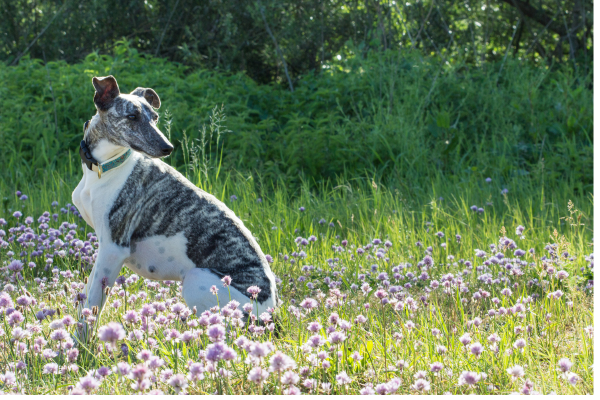
Absolutely! If you have a dog and you suspect they have medical issues, I would advise a vet check. In the last 6 months alone I have worked with many dogs who, when sent to for vet checks were found to have medical issues. A young lurcher who was overly bitey when the owner was doing the right things, was found to have giardia and quite quickly relaxed with treatment. While another had campylobacter infection causing their anxieties and food pickiness. Another whippet had a pain relief trial after many red flag behaviours, that all went away with an appropriate trial.
My own dog Arkle has had long term chronic pain. When untreated he is highly reactive, very short tempered and has no interest in training. When treated with pain relief that suits him, he is engaged, playful and able to handle seeing dogs when out!
But My Dog Is Running Around Fine!
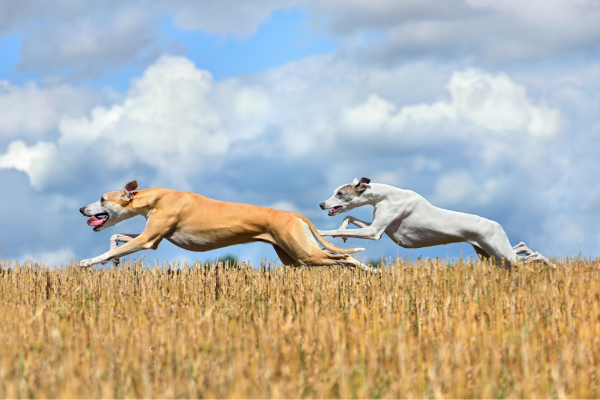
Pain is often complicated. Dogs don’t tend to overtly show signs of pain until they are in a lot of pain. Very often this is a natural instinct, with your dog trying to hide signs of pain as in the wild that would make them weaker and more likely to come to harm. Many dogs will happily run around, bark and be their active selves. Some may become quiet and withdrawn, but that is not always the case.
My Whippet Arthur would run around like a maniac. You would never assume he was in pain by his demeanor; that was half the battle. I noticed he would lim, have short strides and became increasingly anxious. After 18 months of being told he was fine we found a 15cm tumor by his spinal cord on an emergency mri. Even in his last few weeks he was bouncing around, chasing the other dogs and being a bit daft! For him that running around was him taking his mind off pain. Many sighthounds are actually stoic dogs, they were after all bred to be athletic working dogs!
A Word On Vet Checks
Sometimes when I send dogs to the vets, the owners concerns can occasionally be dismissed. This is very unfortunate, and I always advise owners to insist on any tests that may be relevant such as fecal sample testing or blood tests. You may have to advocate strongly for your dogs.
If we strongly suspect pain but your shut down sighthound won’t show pain in the vets, a vet physio is the best step to really examine if your dog is in any pain. They can see your dog in their own home or a quiet location of their own and build your dogs confidence and thoroughly assess their gait. If a pain relief trial is needed, you may need to trial for 4-8 weeks and be prepared to trial different meds as different meds have different functions and it will depend on the root cause of the pain what helps your dog. Canine Arthritis Management have great resource on pain.
You should find a reduction of issues with the correct treatment or management of your dogs issues.
Whippets are believed to be overall sound, however there is a growing trend of various issues in the breed in the UK and abroad. It is important to consider spinal pain, as LTV (lumbosacral Transitional Vertebrae) is becoming more common in the breed and Uk vets are not always aware of this. (not my blog, just helpful information I think worth sharing) https://kennelepicdreams.blogspot.com/2019/02/ltv-and-other-spinal-problems-in.html
This is not intended to be veterinary advise and you should find a vet team you can work with to resolve medical issues.
If a trainer tells you it's unlikely to be pain or that pain is rarely an issue; that is a red flag! Find a trainer or behaviourist who can support you with your dog, understanding your dog from nose to tail!